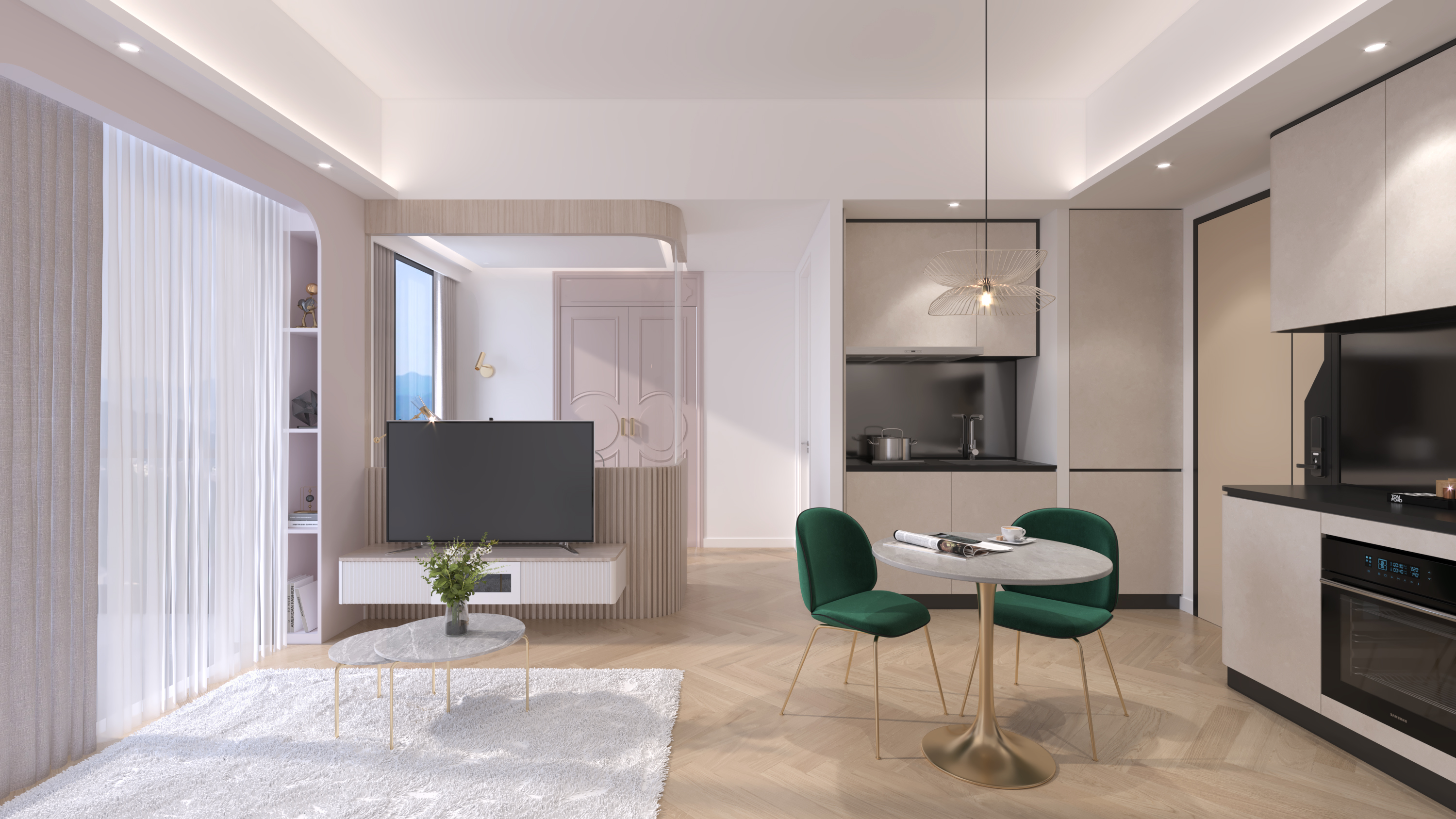
In every home, every workspace, and every public setting, the environment quietly shapes the way people feel and behave. Behind these thoughtfully crafted spaces stands someone who understands not just style, but emotion, flow, and purpose. This individual is often referred to as a decoration master—a person whose skill goes far beyond arranging furniture or choosing colors. Instead, their talent lies in creating atmospheres that tell stories, influence moods, and support the lifestyles of those who inhabit them.
At its core, the work of a decoration master is a blend of imagination and practicality 裝修師傅. They look at a room not simply as a blank space to be filled, but as a canvas alive with possibility. Light, texture, shape, and proportion become their tools, much like brushes in the hands of an artist. They envision what a place can become and translate that vision into reality with precision and creativity. The process begins by understanding the purpose of each area and the needs of the people who will use it. Only then can a decoration master begin shaping a space that balances personality with function.
Color is often one of the primary elements they use to influence the tone of a room. A decoration master knows that colors are powerful communicators. Soft neutrals can make a room feel calm, while bold shades introduce energy and vibrancy. They also understand how lighting plays a crucial role in enhancing these tones. A beautifully decorated room means little if the lighting is too harsh or too dim. Natural light is always prized, but artificial light, when used intelligently, can turn an ordinary room into an inviting sanctuary. Whether through layered lighting, warm bulbs, or strategically placed fixtures, the decoration master uses illumination as both an aesthetic and functional tool.
Furniture arrangement is another subtle skill that separates the experienced from the inexperienced. A decoration master studies the movement within a room, ensuring that furniture placement supports natural flow rather than obstructing it. They consider comfort, accessibility, and the feeling the arrangement conveys. For example, a living room with seating arranged for conversation encourages warmth and togetherness, while a workspace with clearly defined zones can boost productivity. Every placement is intentional, giving the entire environment a sense of harmony.
Textures and materials also play an essential role in their creative process. A decoration master knows how to blend soft textiles with harder surfaces to create balance. They may pair sleek metal with warm wood, or combine plush fabrics with structured pieces to create interest and depth. This attention to detail allows them to craft spaces that are not just visually appealing but also emotionally satisfying. When someone enters a room and instantly feels at ease or inspired, the textures chosen are often part of that sensory experience.
However, becoming a decoration master involves more than simply understanding design principles. It demands a deep sensitivity to human behavior. People interact with their surroundings constantly, often without realizing it. A thoughtfully decorated space can affect their motivation, relaxation, or social connection. For this reason, the decoration master listens closely to the personalities and routines of those they design for. They ask questions, observe habits, and imagine how the inhabitants will live in the space long after the project is complete. Their goal is to make the environment serve the people, not the other way around.
A decoration master also understands the art of editing. Too many decorations can clutter a space and overwhelm the senses, while too few can make it feel empty and uninviting. Mastery lies in knowing what to include and what to leave out. Sometimes a single striking piece of art can define a room. Other times, subtle accessories layered together create the desired atmosphere. The decoration master’s eye for detail ensures that each item contributes to the overall aesthetic rather than distracting from it.
Sustainability and practicality have also become essential considerations in modern decoration. Today’s decoration master often seeks eco-friendly materials, long-lasting furniture, and designs that evolve with changing needs. They think ahead, planning spaces that adapt over time without losing their charm or functionality. This forward-thinking approach sets true experts apart, allowing them to create environments that remain timeless.
Technology, too, has found its place in contemporary design. Smart lighting, automated blinds, and multifunctional furniture are increasingly common tools in the decoration master’s kit. Yet, they use these innovations thoughtfully, ensuring technology enhances the experience rather than overwhelming the space. The balance between modern convenience and warm, human-centered design is one that takes skill to achieve.
The work of a decoration master can also extend beyond private spaces. Restaurants, hotels, and retail environments rely heavily on atmosphere to influence customer experience. In these settings, the decoration master must consider brand identity, user flow, and sensory impact on a larger scale. The ability to create spaces that attract, impress, and comfort people is invaluable in any public-facing industry.
Ultimately, the journey to becoming a decoration master is one of continuous growth. Trends change, materials evolve, and design philosophies shift with time. What remains constant is the desire to create beauty and meaning. True masters study not only the latest styles but also the timeless principles that make environments feel genuine and alive. They draw inspiration from history, nature, travel, and personal experience, weaving these influences into every space they touch.